
Demolition Contractors in Hampshire
It typically also includes site clearance, removing demolition arisings and preparing the site for the next stage of a project.
What Demolition Services Cover
Demolition is rarely an end in itself — for most residential and commercial clients, it’s the first stage of a new build, redevelopment, or major refurbishment project. W2.0 Developments delivers demolition as part of this wider process, connecting directly to its new build and large scale extension services, rather than as a standalone trade handled by a separate contractor with no involvement in what follows.
Demolition covers the controlled removal of all or part of a building or structure, ranging from full demolition of a property down to foundation level, to partial demolition of a single wing or extension, to soft strip work that removes internal fixtures, fittings and non-structural elements ahead of a refurbishment or rebuild.

Curtain Walling & Windows
Our Demolition Services
Full & Partial Building Demolition
Complete demolition of residential or commercial buildings to prepare a site for new construction, or partial demolition where only part of an existing structure — a rear wing, an outbuilding, or a section being replaced as part of a redevelopment — needs to be removed while retaining the rest of the property or site.
Soft Strip & Interior Strip-Out
Removal of internal fixtures, fittings, non-structural partitions, and finishes ahead of a full refurbishment or before structural demolition begins. Soft strip is typically the first physical stage of a full house refurbishment or a commercial fit-out, separating reusable and recyclable materials from general waste before structural work starts.
Site Clearance
Removal of demolition arisings, existing hardstanding, foundations, and any site debris, leaving a cleared, level site ready for the groundworks stage of a new build or redevelopment project. Where ground conditions or contamination are a concern, site clearance can also involve testing and, where needed, remediation before the site is considered ready for construction.

Why Choose W2.0 Developments for Demolition
Demolition is rarely a standalone decision for most clients — it’s the first stage of a project that continues into new construction. Engaging separate contractors for demolition and the build that follows creates handover gaps in site logistics, waste management and programme continuity, and disputes over responsibility when something at the boundary between the two contracts goes wrong are a common source of delay. W2.0 Developments manages demolition as part of the same in-house team delivering the construction that follows, where both are part of a single project.
- Demolition planned and sequenced alongside the new build or redevelopment project that follows, not handled as an isolated trade.
- Asbestos survey coordination built into the process as standard, before demolition work begins.
- Over 25 years delivering construction projects across Hampshire and the Home Counties.
- Single point of contact from demolition through to completed new build or redevelopment.
Noise, Dust & Neighbour Considerations
Demolition is inherently disruptive to neighbouring properties and businesses, and managing this well is as much a part of a successful project as the demolition work itself. Dust suppression, typically using water suppression during breaking-out work, reduces both nuisance to neighbours and airborne particulate that could otherwise drift beyond the site boundary. Noise is harder to eliminate entirely, but working hours, machinery choice, and sequencing can all reduce disruption during a demolition programme.
W2.0 Developments plans dust suppression and working hours as part of the demolition programme from the outset, and communicates timeline and likely disruption to neighbouring properties in advance where relevant, rather than treating neighbour relations as a reactive issue to manage only if a complaint arises.
An initial site survey assesses the structure, identifies any planning or prior approval requirements, and confirms scope — full demolition, partial demolition, or soft strip. Where the project continues into a new build or redevelopment, this stage is planned alongside the following construction stage rather than in isolation.
Our Divisions
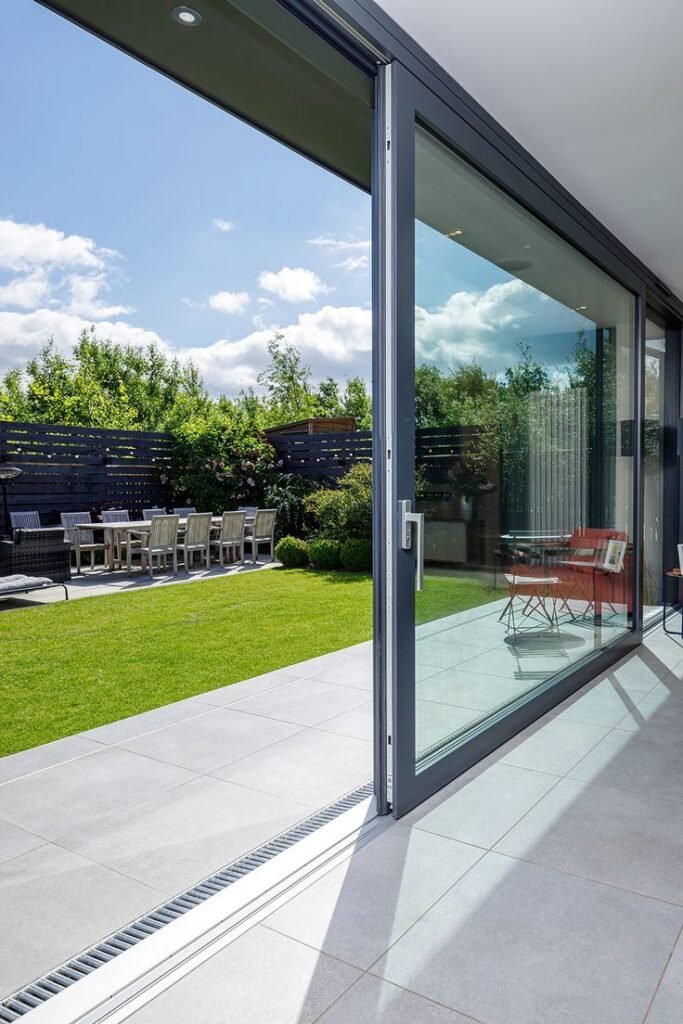
Large Scale Extension
Learn More

Driveways
Learn More
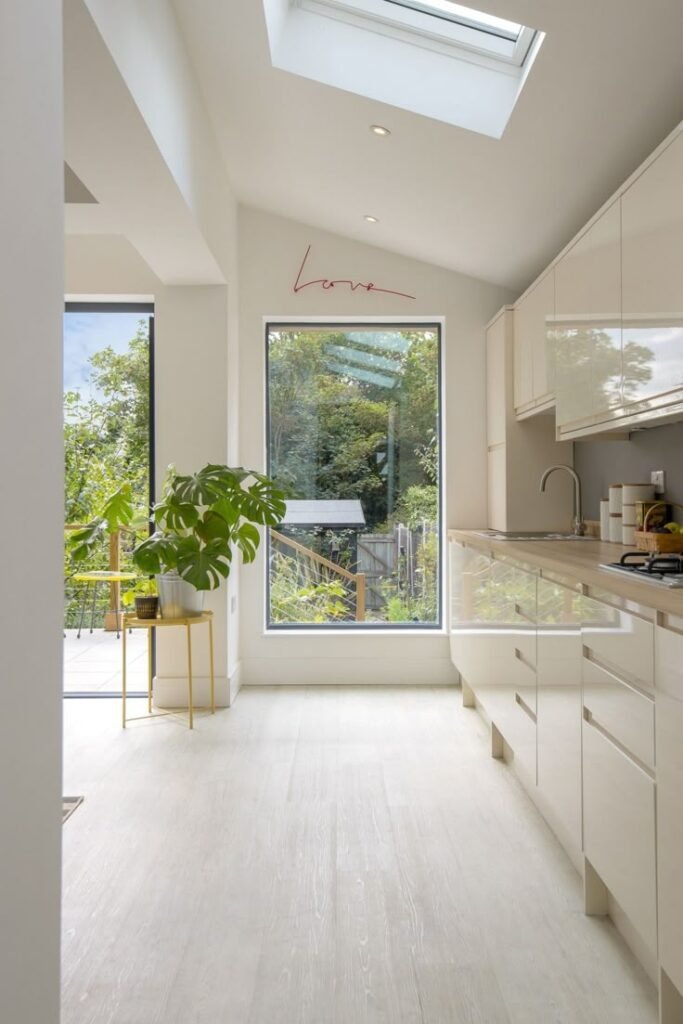
Full House Refurb
Learn More
Get a Quote
Planning demolition ahead of a new build or redevelopment project in Hampshire? Contact W2.0 Developments to discuss full or partial demolition, soft strip, or site clearance with a team that can manage demolition through to the completed construction project that follows.
Frequently Asked Question
What areas does W2.0 Developments cover for demolition?
W2.0 Developments is based in Farnborough and delivers demolition projects across Hampshire, including Basingstoke, Winchester, Southampton, Fareham, Aldershot and Fleet, with projects extending across the wider South East of England, including Surrey and Berkshire.
What is the difference between full demolition and soft strip?
Full demolition removes a building’s entire structure down to foundation level. Soft strip removes internal fixtures, fittings and non-structural elements while leaving the main structure in place, typically as preparation for a full refurbishment rather than a rebuild.
Can W2.0 Developments manage demolition and the new build that follows as one project?
Yes. W2.0 Developments manages demolition as the first stage of a new build or redevelopment project, planning site logistics, waste management and construction sequencing as one continuous programme rather than handing the project between separate contractors.
Is an asbestos survey required before demolition?
Yes, for any building constructed before 2000. A demolition asbestos survey is a legal requirement under the Control of Asbestos Regulations before demolition or significant structural strip-out work, since materials safe to leave undisturbed in daily use become hazardous once a building is being demolished.